Is it worth it, and what will it cost?
Are solar panels worth it in the UK?
Short answer
Solar panels can be worthwhile if your roof has a useful unshaded area, you expect to remain in the property and the quote is based on your real electricity use. The answer is not the same for every home: compare the installer’s generation estimate, self-use assumption, export tariff and full installed cost before deciding.
- Best starting point
- Your annual electricity use
- Roof check
- Direction, shade and condition
- Often overlooked
- How much solar you use at home
- Independent estimate
- Use the MCS performance calculation
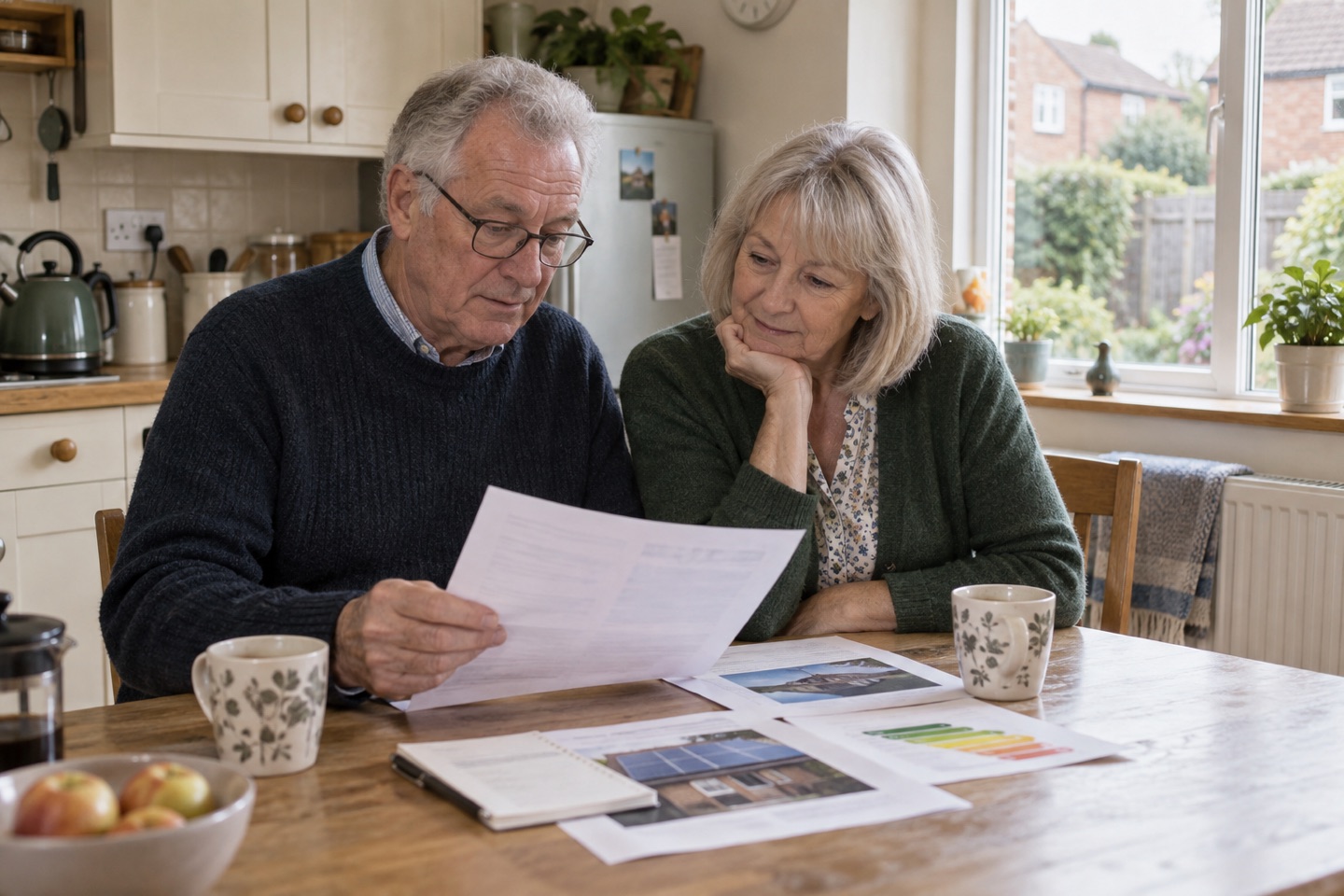
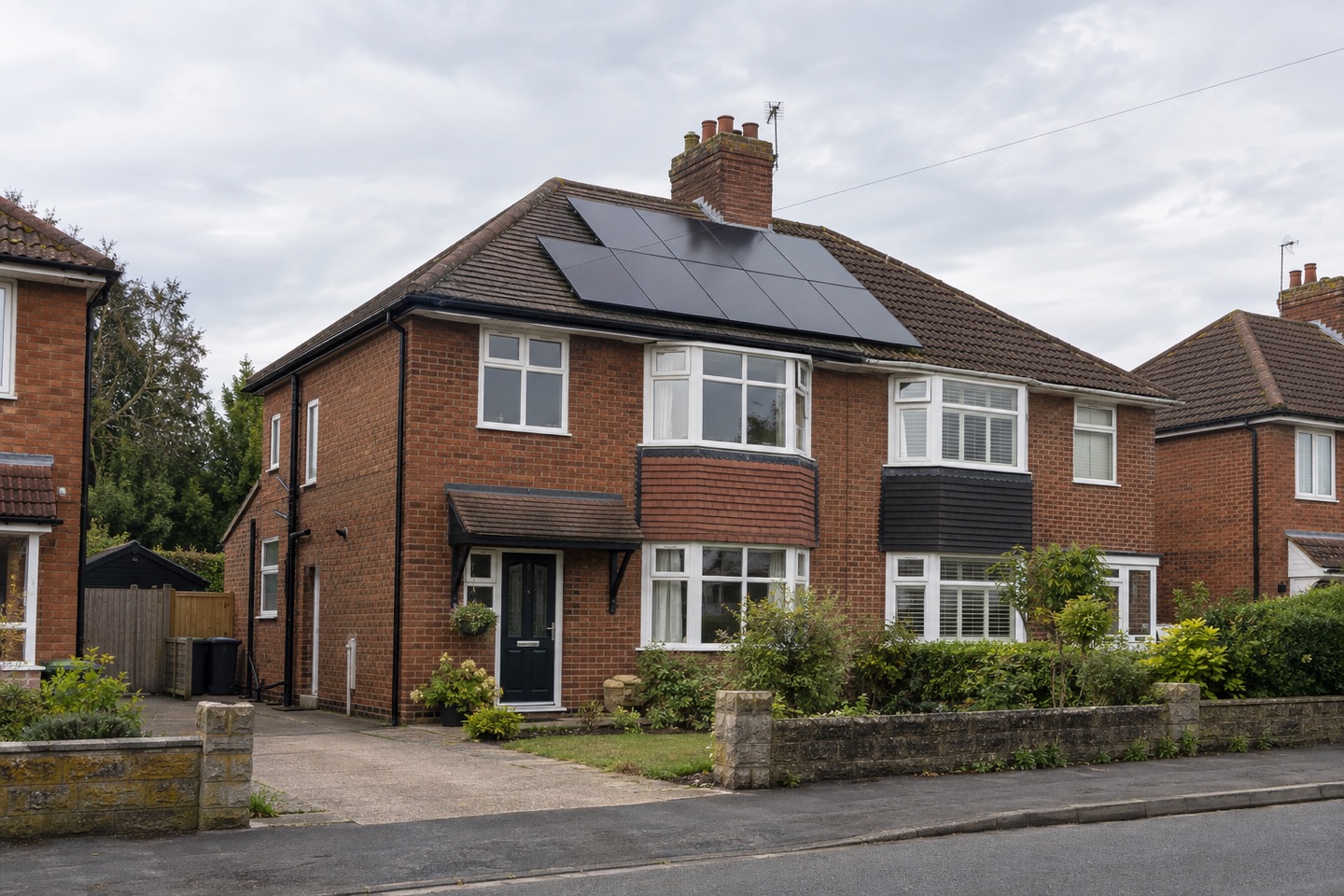
The useful question is not whether solar works in Britain. It does. The useful question is whether the proposed system works on your roof, with your electricity use, at the quoted price.
Solar is more likely to suit your home when
- the roof has a sound, reasonably unshaded area;
- you use electricity during daylight hours or can move some use into them;
- the installer’s estimate reflects the actual roof direction, pitch and shade;
- you expect to stay long enough to benefit from the system; and
- the quote includes access, electrical work and any roof work, not only the panels.
It may be a poor fit if the roof needs replacing soon, persistent shade affects the usable area, or the sales case depends on electricity-price rises and unusually generous export payments.
Four figures to check in every proposal
- Annual generation. Ask for the MCS performance estimate and the assumptions behind it.
- Self-use. Electricity used in the home avoids an import; exported electricity earns the rate in your export contract. Do not treat those as the same value.
- Complete installed price. Confirm scaffolding, electrical upgrades and roof work.
- Export rate. SEG terms vary by supplier and may have eligibility or import-tariff ties.
Be cautious with one-number payback claims
A national payback figure cannot know your roof, future tariffs or when you use electricity. Use it as a rough comparison only. A quote should let you see and challenge every assumption.
What about winter?
Panels still generate on cloudy days, but UK output is seasonal. Short winter days produce far less than long summer days. A credible proposal uses an annual roof-specific estimate and does not suggest the array will cover the same share of your use every month.
A battery is a separate decision
A battery can store daytime surplus for later, but it does not make the panels generate more. First check the likely surplus, your evening demand, the battery’s usable capacity and the export income you would give up. See whether a battery is worth it before adding it to the quote.
A sensible next step
Run the solar cost and payback calculator with conservative inputs. If the result still looks comfortable, compare itemised quotes and ask each installer to explain any difference in predicted output.
Common questions
Are solar panels worth it on an east- or west-facing roof?
Do solar panels work in winter in the UK?
Should I add a battery?
Sources
- Energy Saving Trust: solar panels — costs, savings and benefits
- MCS: consumer guidance and certified installers
- Ofgem: Smart Export Guarantee for generators
Checked 2026-09-09. Rates, rules and eligibility can change. Confirm current terms before signing a contract or applying for funding.
What will solar cost you, and when does it pay back?
Set your roof size, your bill, your tariff and your export rate, and see the install cost, annual saving and payback year — with every assumption visible and editable. Runs in your browser; nothing is sent anywhere.
Get important solar updates
One email when a grant, export rate or rule changes. No newsletters or sales emails.