How solar works
How solar panels actually work
Short answer
Panels convert daylight into direct current, an inverter converts that into alternating current at mains voltage, and it feeds your consumer unit. Anything you are using is supplied first; the surplus goes to the grid, where an export tariff pays you for it at a lower rate than you avoid paying.
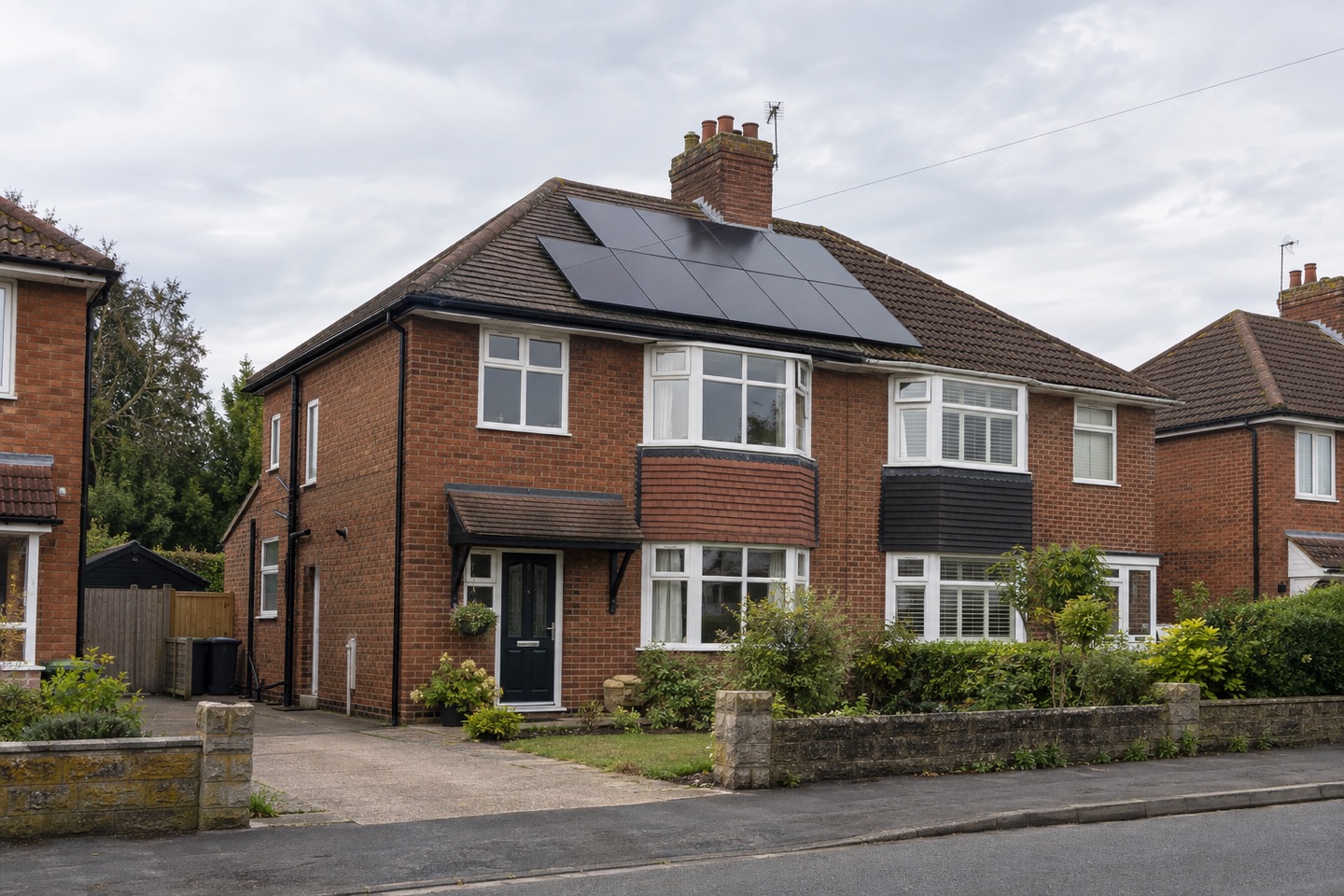
Solar photovoltaic cells produce direct-current electricity from daylight. The inverter turns that into alternating current for the home. Appliances use available solar while it is being generated; any shortfall comes from the grid and surplus can be exported or stored.
The parts you are buying
- Panels generate DC electricity.
- Mounting equipment fixes them to the roof structure.
- Inverter converts DC electricity for household use.
- Isolators and protection allow safe operation and maintenance.
- Generation monitoring shows system output.
- Export metering records eligible electricity sent to the grid.
Solar works on cloudy days, but output changes with daylight, season, roof direction and shade. The quotation should therefore contain an annual estimate for the actual roof.
Solar does not normally power the home in a blackout
A standard grid-connected inverter shuts down when the grid fails. Backup operation needs a system designed for it; ask which circuits work and what equipment is included.
Continue with how many panels you may need.
Sources
Checked 2026-09-09. Rates, rules and eligibility can change. Confirm current terms before signing a contract or applying for funding.
Get important solar updates
One email when a grant, export rate or rule changes. No newsletters or sales emails.